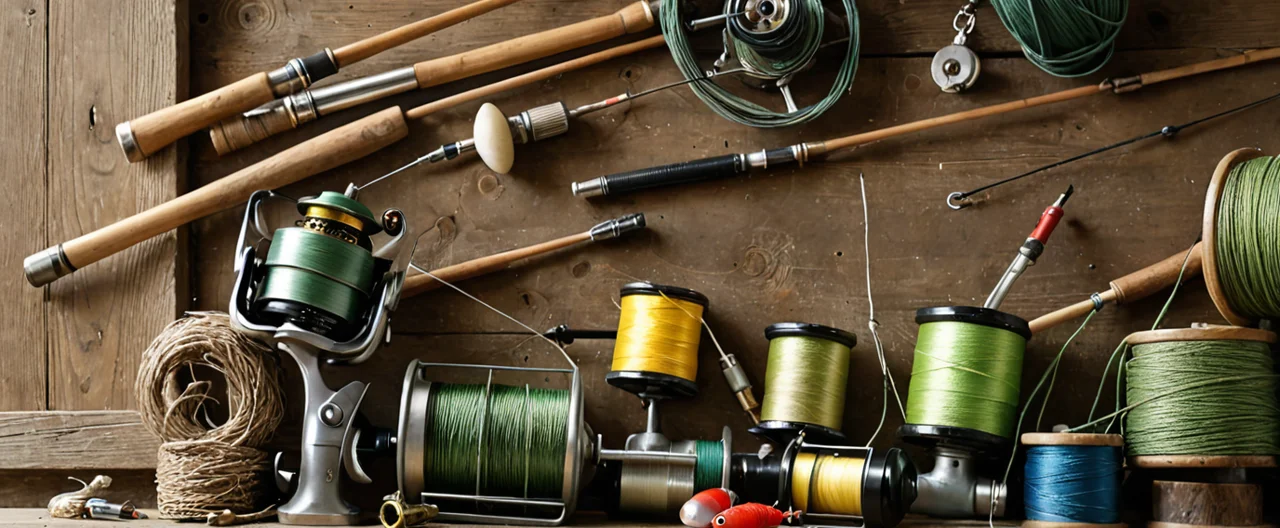
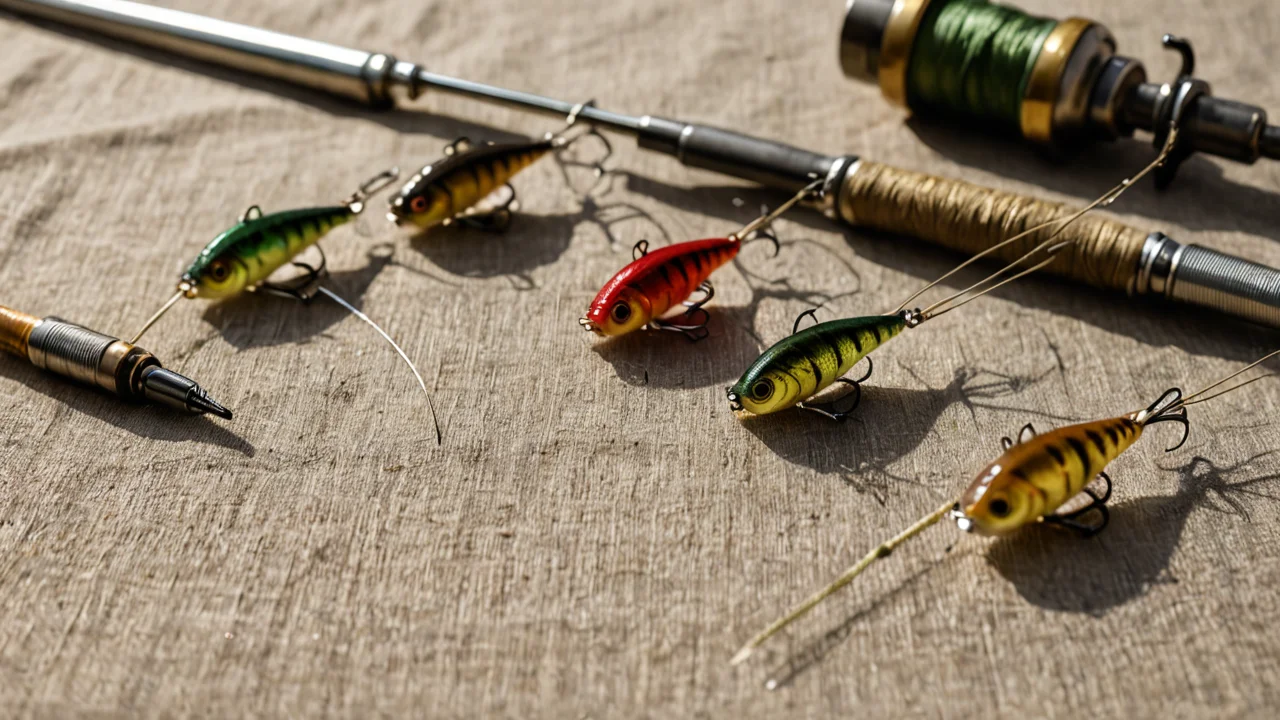
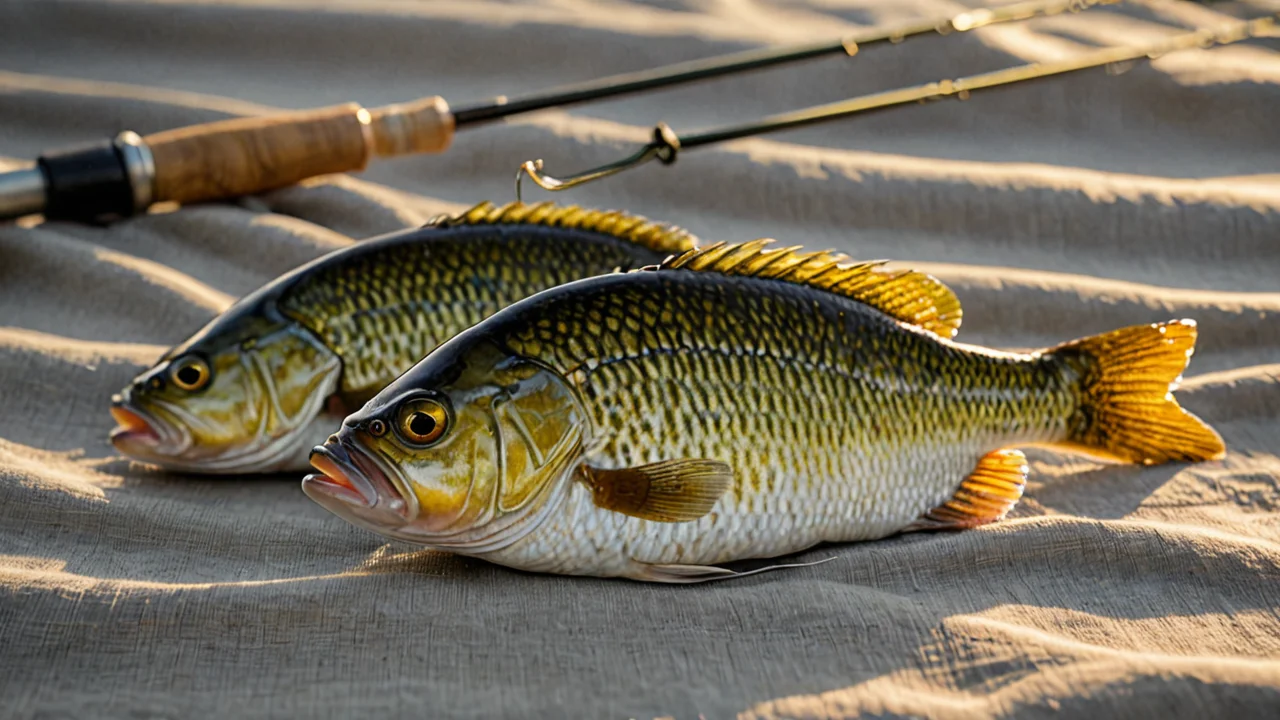
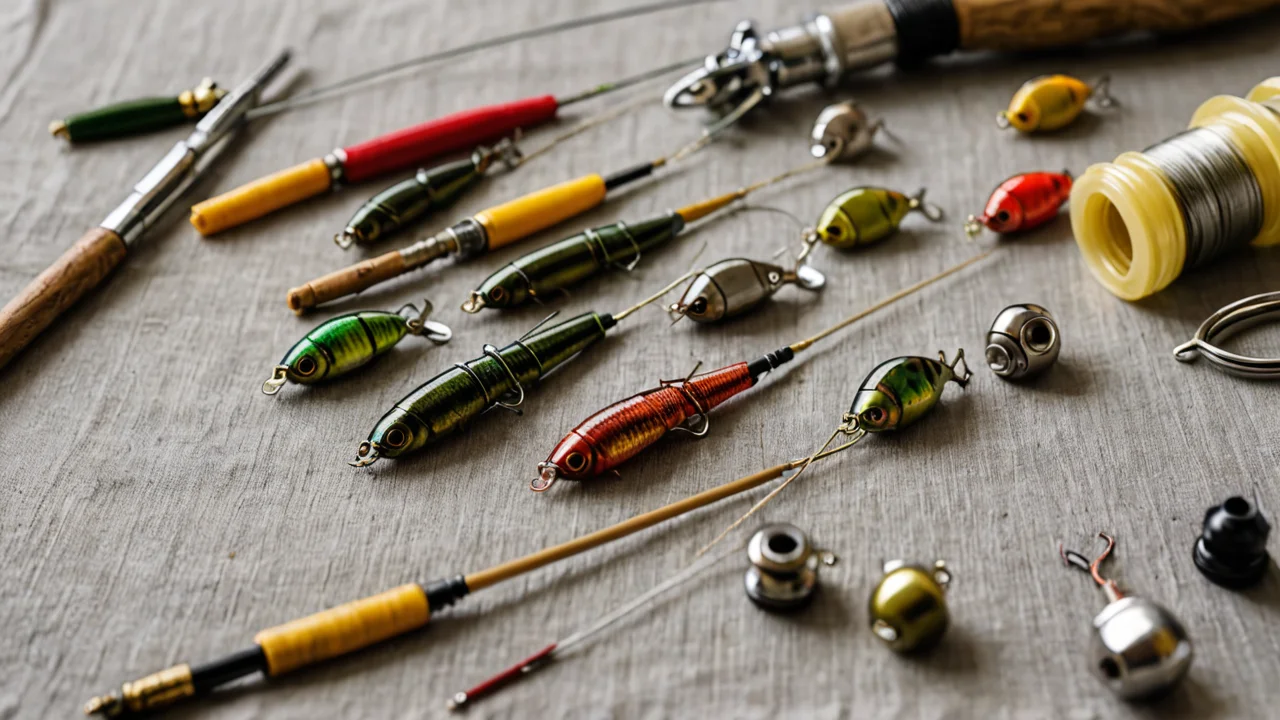
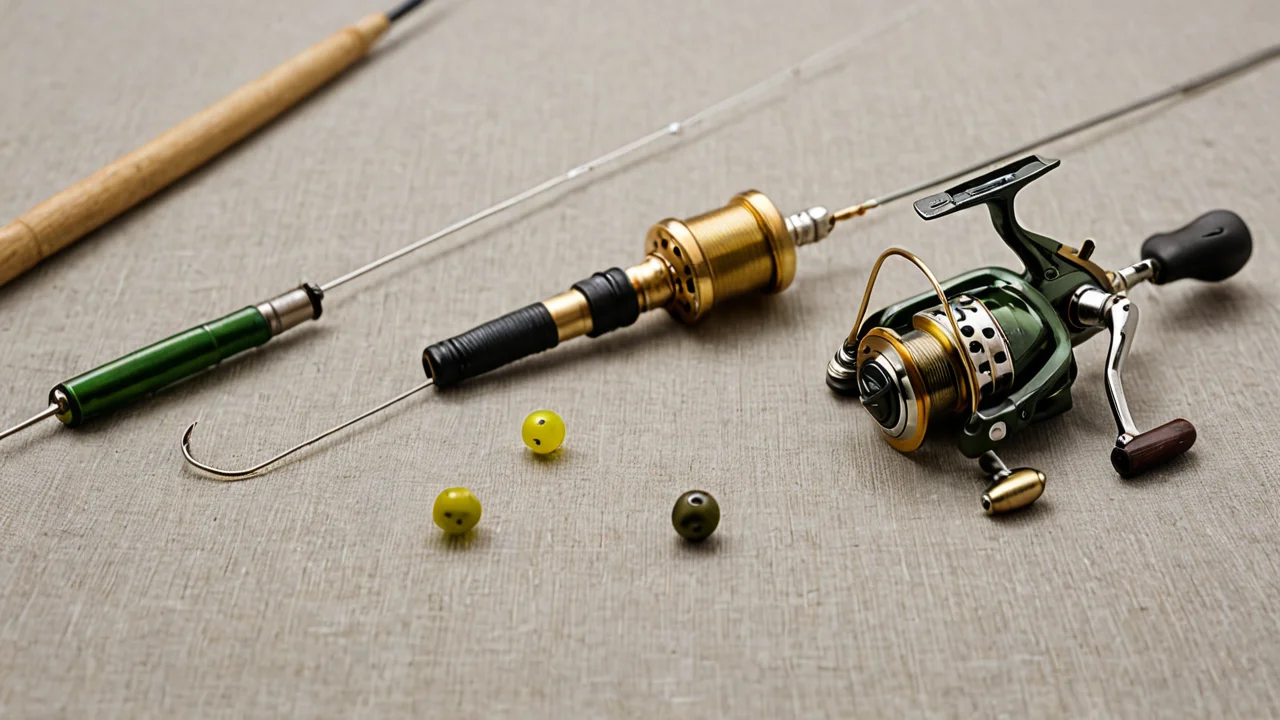
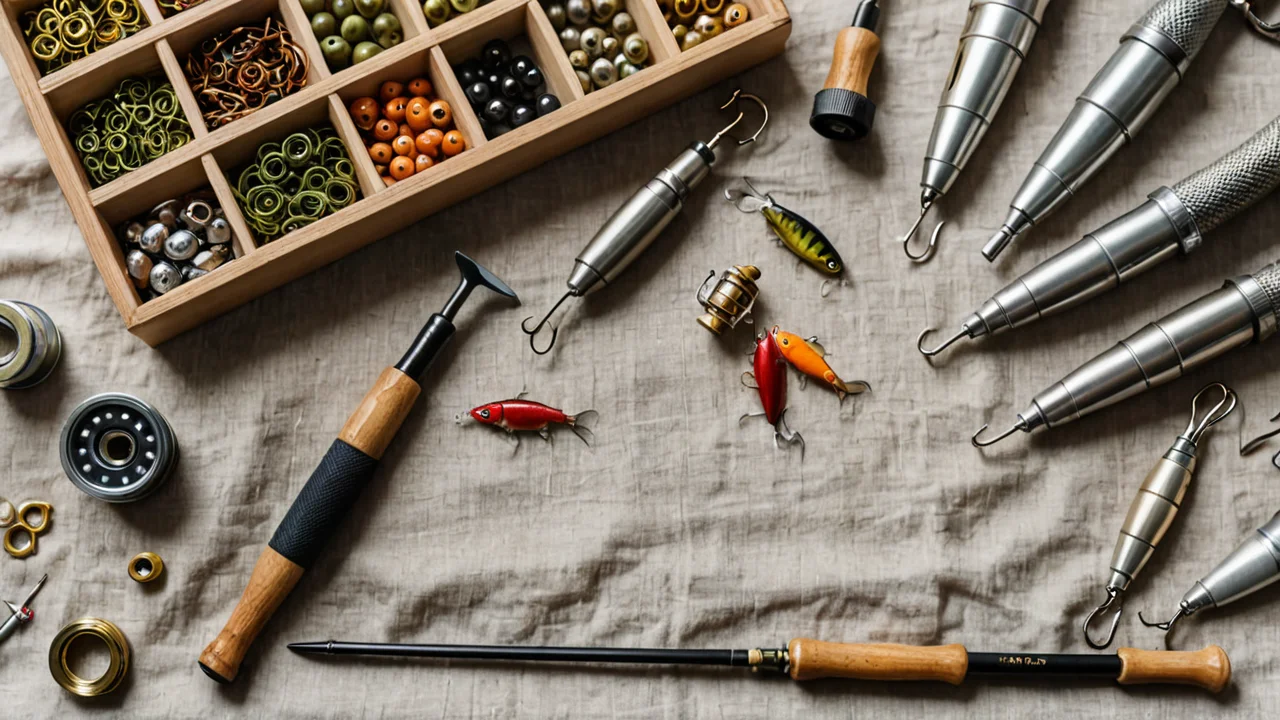
Match the rod's power and action to the weight of the lure and the size of the fish before you buy anything else, because the rod is the one piece of tackle that decides how everything downstream behaves. A heavy-power, fast-action rod throws big baits and turns big fish; an ultralight, moderate-action rod makes a small lure feel alive and a modest fish feel enormous. Everything else — reel, line, terminal tackle, even the boat or the ice — is chosen around that pairing. Get it wrong and no amount of expensive line fixes the cast.
How a rod's power and action actually change your fishing
Power is how much force it takes to bend the blank; action is where along the blank it bends. Manufacturers label power on a scale from ultralight to heavy, and it tells you the rod's lifting strength and resistance to bending. Action runs from slow to extra-fast, and it describes the bend point: a fast-action rod bends mostly in the top third near the tip, while a slow or moderate-action rod bends farther down toward the butt section.
Those two ratings are independent, and confusing them is the most common buying mistake. A rod can be heavy-power and moderate-action — a crankbait stick that loads deep and keeps treble hooks pinned — or medium-power and extra-fast, the standard bass jig rod that transmits a tick through a tight tip and then shuts off into a stiff lower half for hooksets. Neither is "better." They do different jobs.
What you notice in the hand: a fast tip telegraphs bottom contact and light bites, which is why it dominates finesse and single-hook presentations. A moderate or slow action loads progressively, which absorbs the surge of a running fish and keeps a lightly hooked fish from tearing free. The cost of fast action is a narrower effective lure-weight window and less forgiveness on a jumping fish; the cost of slow action is a softer hookset and less casting distance into wind.
Reels follow the rod rather than the other way around. A balanced outfit hangs level at the reel seat and casts without you thinking about it. If the rod tip dives the moment you let go of the grip, the reel is too heavy for the blank and you will fight the outfit all day.
Line, leader, and terminal tackle: the choices that decide whether a fish stays hooked
Pick line by the water's clarity and the cover you're fishing, not by habit. Braid gives you near-zero stretch, thin diameter for its strength, and enough sensitivity to feel a lure ticking through rock; it also has no give, so a fast rod plus braid plus a hard hookset is how lips tear. Monofilament stretches, which cushions the fight and forgives a mistake, at the price of feel and a finite shelf life — mono degrades with UV exposure and heat, so line that has sat in a hot garage for seasons should be replaced rather than trusted. Fluorocarbon sits between them: denser and less visible underwater, stiffer to manage, and expensive enough that most anglers reserve it for leaders rather than filling a whole spool.
The leader is where you spend money wisely. A short length of fluorocarbon between braid and lure gives abrasion resistance at the business end without the cost of a full spool. The connection knot matters more than the brand — a badly tied leader fails at the join, not at the hook.
Terminal tackle is a series of small, cheap decisions with outsized consequences. Hook size should match the bait, not the fish you hope for: an oversized hook kills a small lure's action and a small hook on a big bait leaves too little gap to bury. Treble-hook baits and single-hook baits demand different rods, which is the earlier point coming back around. Weight is dictated by depth, current, and wind — you want the least weight that keeps contact with the bottom, because every extra ounce dulls the lure's movement and your feel for it.
Carry less than you think. A plano box with three sizes of hooks, a couple of weights, swivels, and a spare leader spool covers most days; the twenty-color crankbait collection is a hobby, not a necessity, and it costs you time on the water deciding.
Fly fishing is its own tackle system, not a variation on spinning gear
Fly fishing uses a specialized fly rod, fly reel, and a weighted fly line to cast artificial flies that imitate aquatic insects and other prey, typically in freshwater rivers, streams, and lakes. The U.S. Fish and Wildlife Service describes it as a distinct technique requiring its own tackle and skills — and that is the practical truth: almost nothing from a spinning outfit transfers over.
The reason is weight. In conventional fishing, the lure pulls line off the reel; in fly fishing, the line's own mass carries the fly. That means the line is matched to the rod by a numbered weight system, and a mismatched line makes a good rod cast badly. The reel, on most freshwater setups, is mostly a line holder with a drag for the occasional big fish — the casting is done with the rod and line, not the reel.
What this costs you: a full outfit, plus a new set of skills around the cast and the drift. What it buys you is presentation. A fly can be landed softly and drifted drag-free in a way a weighted lure struggles to match, which is why it dominates on pressured, clear, slow water and on rivers where trout are looking up. It is the wrong choice when you need to cover deep structure fast or punch a bait into heavy cover — there, a baitcaster or spinning rod wins outright.
It is also, by reputation and by practice, often a catch-and-release sport. If that's your aim, the tackle choice is easy: single hooks, barbless where legal, and a wet hand for the release.
Ice fishing gear: the safety numbers come before the shopping list
Do not walk onto ice thinner than 4 inches of new, clear ice. General guidance puts the minimum for going onto the ice at 3–4 inches of new, clear ice, and the recommended thickness of clear, solid ice for walking while ice fishing at 4 inches. Those are the numbers to hold in your head before you think about augers or shelters. Remember that "clear, solid" is doing the work in that sentence — white, slushy, or layered ice is weaker, and ice over moving water or near a spring is not the same ice as the pond you measured.
Heavier loads scale up fast:
| Activity on clear, solid ice | Recommended thickness |
|---|---|
| Walking, on foot, while ice fishing | 4 inches |
| Snowmobiles | 5–7 inches |
| Cars or small pickups | 8–12 inches |
Those figures are recommendations, not guarantees, and they assume solid, clear ice across the area you're travelling. Ice thickness varies from spot to spot on the same lake; a reading at the access point tells you nothing about the ice a hundred yards out. Check as you go, and treat any slush, grey ice, or recent open water as a stop sign.
Gear follows from the method: an auger to cut holes, a short ice rod paired with a small reel, line light enough to fish vertically, and some way to find fish under the hole rather than guessing. Ice fishing is defined by exactly that — fishing through holes cut in ice, with specialized gear and the ice-thickness safety guidelines issued by state agencies and the U.S. Fish and Wildlife Service. Layer for cold and plan for wind; the shelter is a comfort purchase, not a safety one, and the safety purchase is the spud bar and the ice picks you carry regardless.
Matching the outfit to the water in front of you
Build the outfit from the water up, not from the catalog down. Ask three questions in order: how heavy is the lure or bait, how much cover am I fishing, and how big is the fish likely to be. The heaviest of those three answers sets your rod power; the presentation sets your action.
- Small lures, clear water, spooky fish: ultralight or light power with a moderate action, light line, finesse presentation. The rod does the work of making a small bait feel alive.
- All-purpose freshwater: medium power, fast action — the outfit that does the most jobs adequately. It is a compromise by design, and that is fine.
- Heavy cover, big baits, big fish: heavy power with a fast tip for hooksets and a stiff lower half to turn a fish away from structure. Braid, a short heavy leader, and a reel with real drag.
- Crankbaits and treble-hook baits: medium power with a moderate action, so the rod loads and keeps hooks from pulling. A fast rod here costs you fish at the boat.
- Rivers on the fly: a fly outfit matched line-to-rod by weight, with a reel that has a smooth drag for the fish that run.
The trade-off is always the same: specialization buys performance in one situation and uselessness in the rest. Most anglers are better served by two or three well-chosen outfits than by a wall of rods that each do one thing slightly better. The exception is the angler who fishes one water type almost exclusively — there, a purpose-built rod earns its price.
Storage, maintenance, and when gear fails
Most tackle failures are maintenance failures, and they show up at the worst moment. Line is the first thing to go: mono and fluoro degrade with UV and heat, so line stored in a hot garage or a sun-baked boat should be replaced rather than trusted, and line with visible abrasion or a rough feel between the fingers should come off the spool before the next trip. Braid lasts longer but still needs inspection for fraying near the knot.
Rods fail at the tip and at the guides. A cracked guide insert will shred line silently — you notice it as a rough cast and a sudden break-off, not as a visible defect. Run a cotton swab around each guide; if it snags, the insert is damaged and needs replacing. Store rods in sleeves, not leaning in a corner where the tip takes the load.
Reels want fresh grease on the gears and light oil on the bearings, and drag washers that get a workout should be checked for smoothness before a trip rather than during a fight. A drag that stutters is a drag that breaks line.
For ice gear, the maintenance window is the shoulder season: dry everything thoroughly after the last trip, because wet line and wet reels stored cold corrode fast, and check the auger blades — a dull blade means more effort and a worse hole, and a bad hole is where the day goes wrong.
The honest limit of all this: gear does not catch fish, and the best-outfitted angler on the water is often the one who spent the money once, learned the outfit thoroughly, and stopped shopping. Buy for the fishing you actually do, replace what wears out, and spend the rest of the budget on time on the water.
What rod length and handle configuration change before the lure hits the water
Longer rods cast farther and pick up line faster, but the gain in distance is paid for in leverage and in the tight water you can't fish. A long blank on a small creek means you're threading the tip through brush you could have fished cleanly with something shorter; the same rod on open water lets you mend line, keep a running fish away from the boat, and cast a light lure into wind with less effort. The old compromise still holds — buy the longest rod that fits the water you fish most, not the longest one in the rack.
Handle length and reel seat position matter more than most buyers expect. A longer rear grip shifts the balance point forward, which steadies a heavy-power rod and makes two-handed casts easier, but it also changes where the outfit hangs against your body. Check the balance with the reel mounted and the rod held as you'd fish it, not by waggling the tip in the shop. A rod that feels crisp bare can feel tip-heavy once a reel is bolted on.
Guide type and count are the quiet cost. Fewer, larger guides cast braid well and clear ice buildup on a freezing morning; more, smaller guides control line on a fast blank. Neither is free — a cheap guide insert is the first thing to fail, and it fails by shredding line rather than by snapping.
Rod power and action for ice fishing, where the vertical presentation changes everything
Ice rods are short by necessity, and power and action still mean what they mean — power is how much force it takes to bend the blank, action is where it bends — but the job is different. You're fishing vertically through a hole, so casting distance is irrelevant and the tip is doing all the bite detection. A light-power, fast-action ice rod telegraphs a soft take from a suspended fish; a heavier, moderate blank lets you lean on a fish that wants to run back down.
Line choice follows the same logic. Vertical fishing rewards sensitivity and a light diameter, which is why braid and a short fluorocarbon leader dominate under the ice, and why the rod's tip has to be soft enough that a light lure still moves. Too stiff a tip and the lure hangs dead; too soft and you can't set a hook through the blank.
None of it matters until the ice does. Four inches of new, clear ice is the minimum for going onto the ice on foot, and the same 4 inches is the walking recommendation for clear, solid ice while ice fishing — so the rod and auger only earn their keep once you've verified the thickness where you're actually standing, not at the ramp. A short rod is cheap to replace. The decision to walk out is the one that isn't.