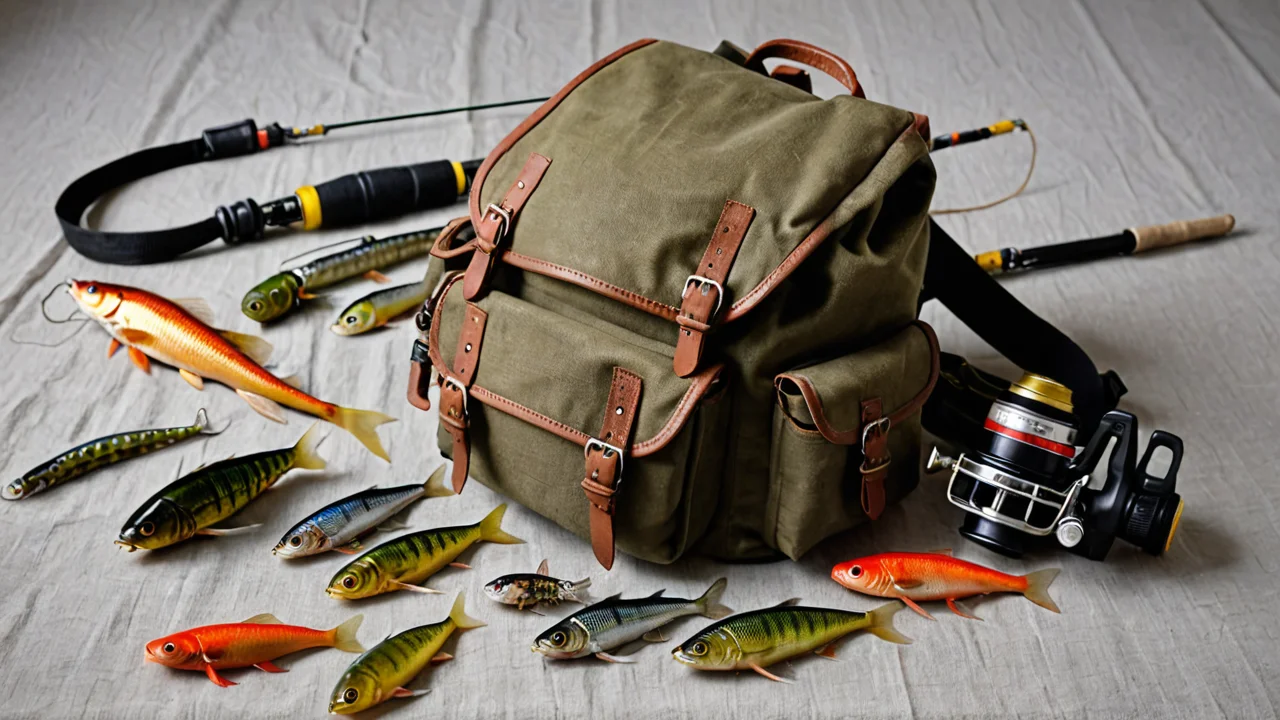
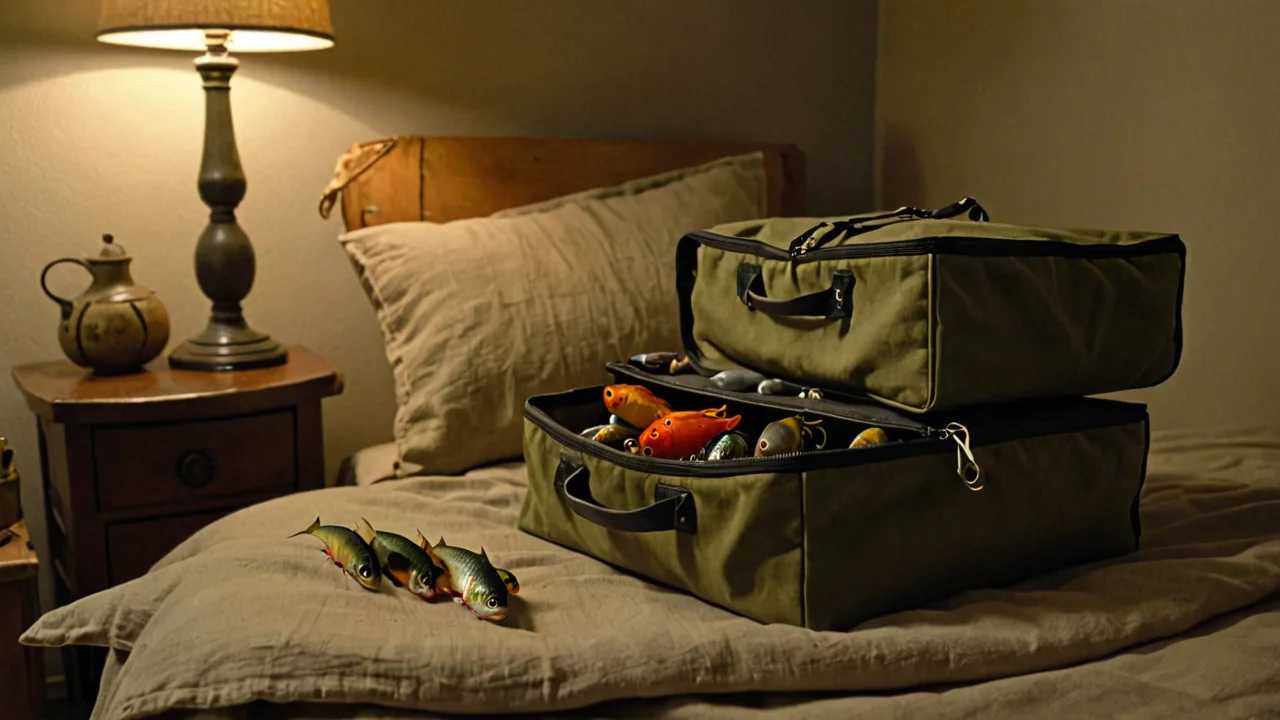
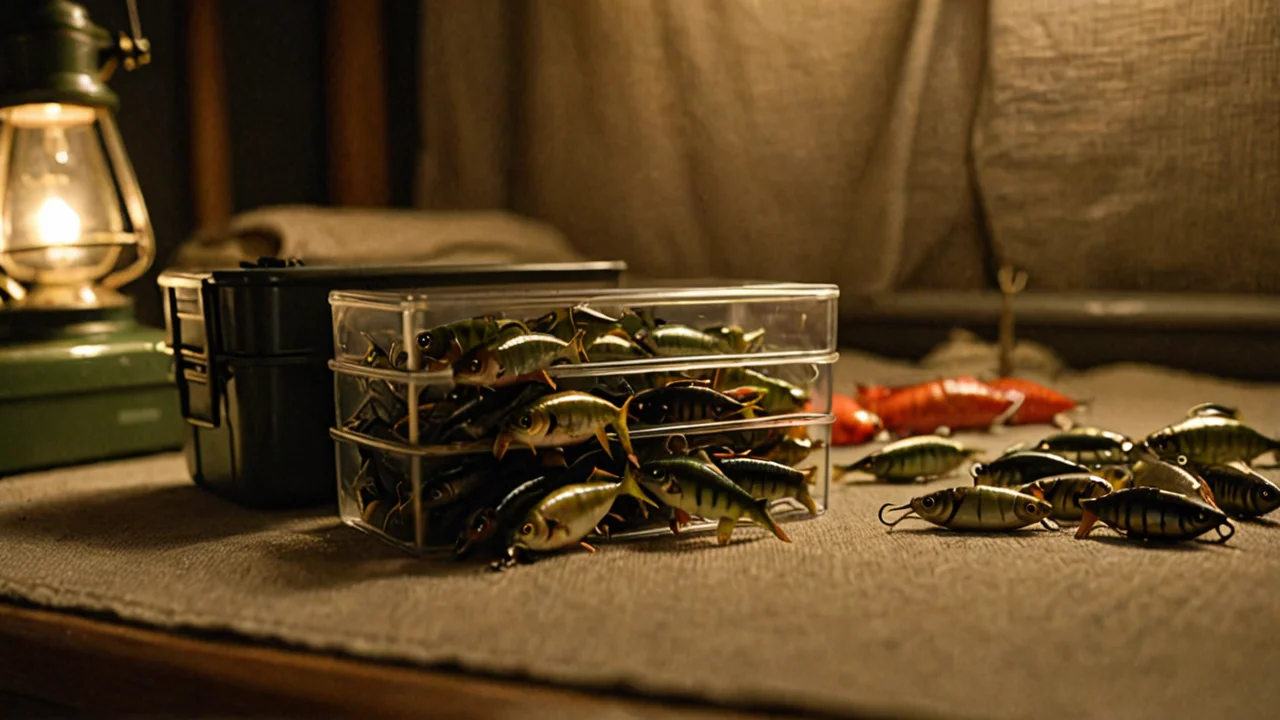
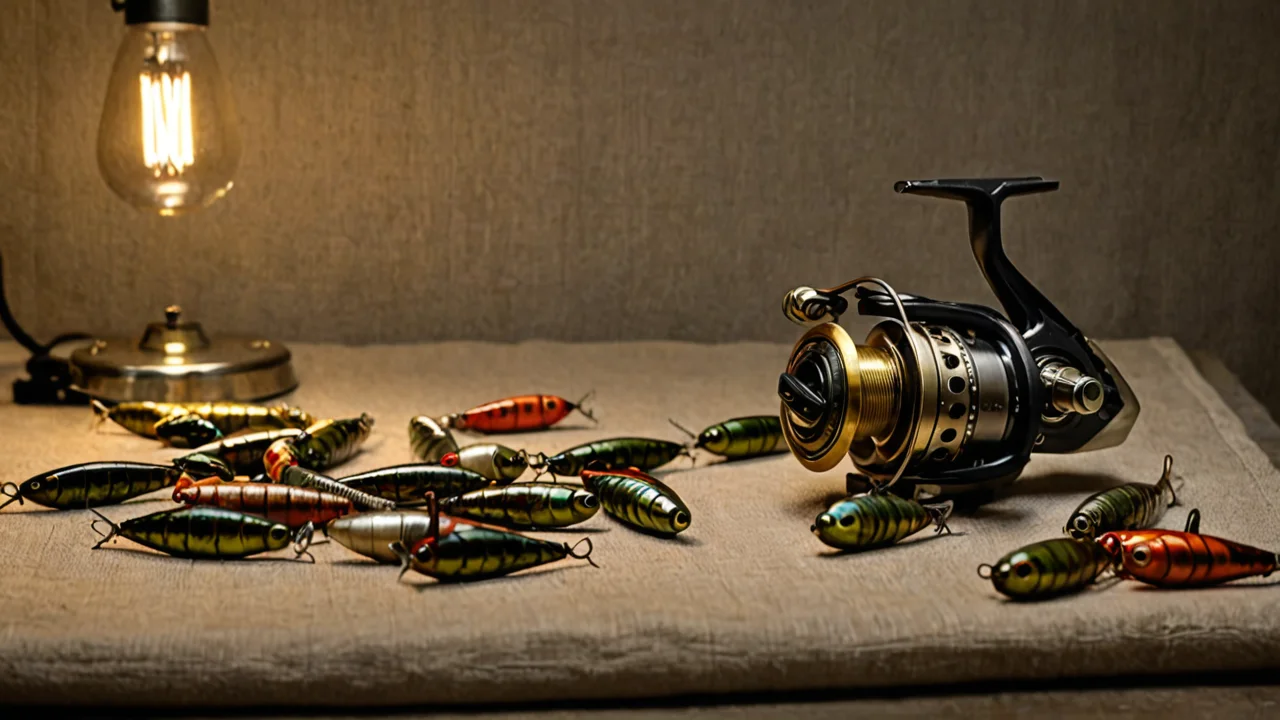
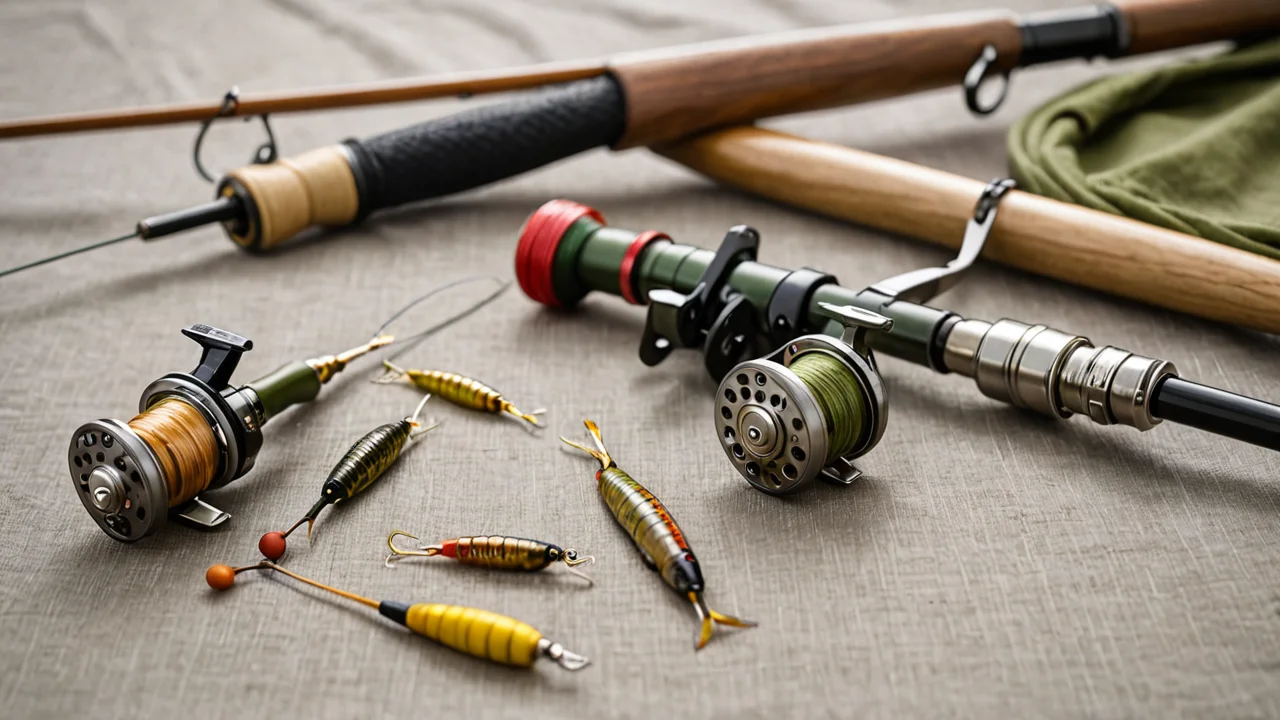
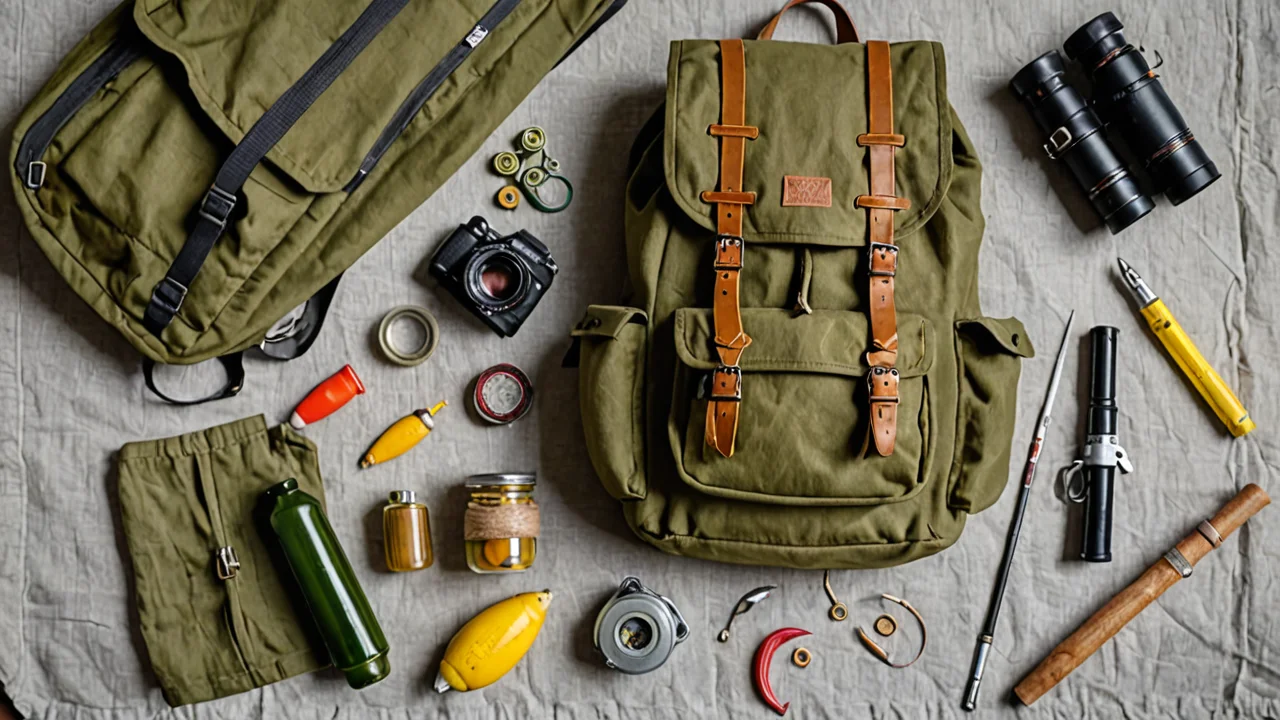
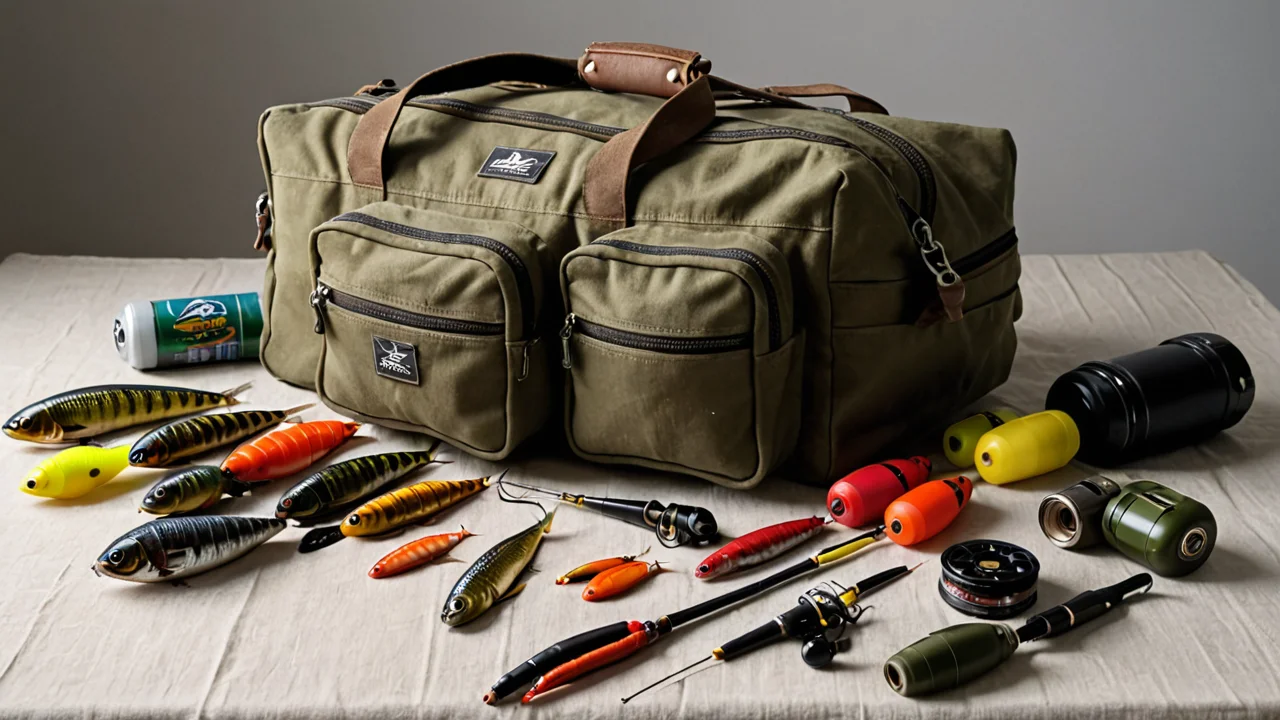
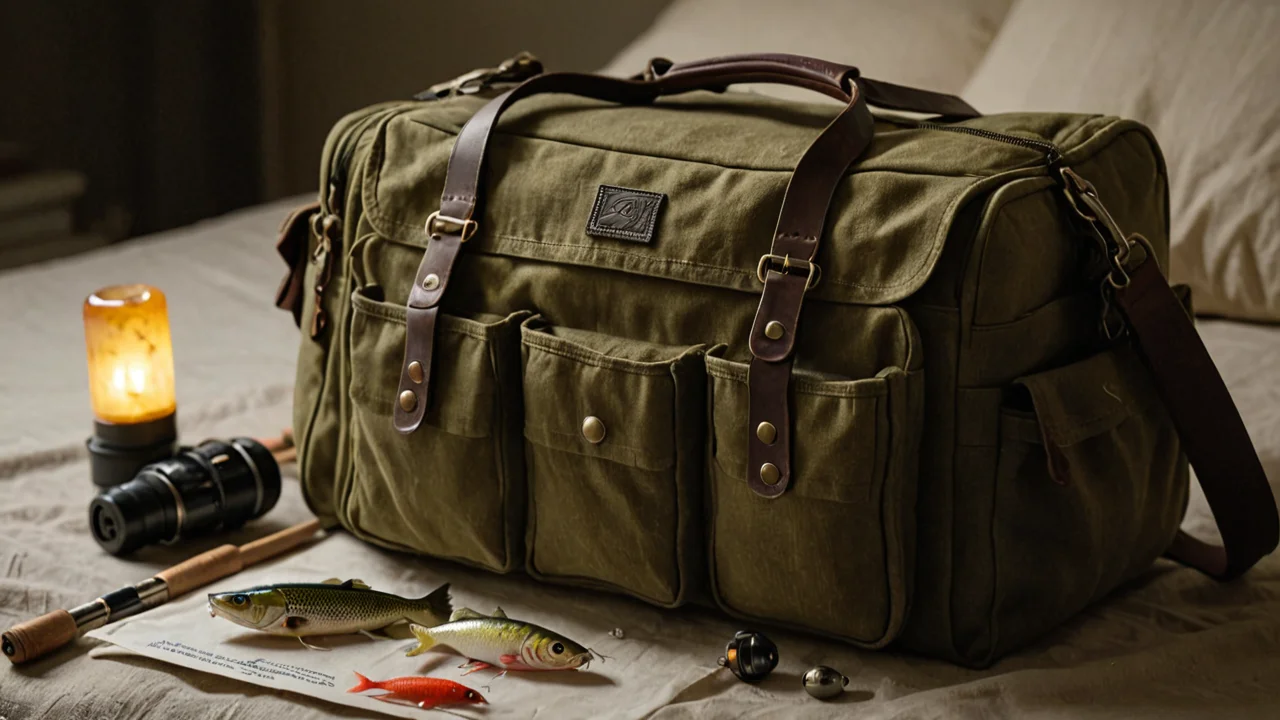
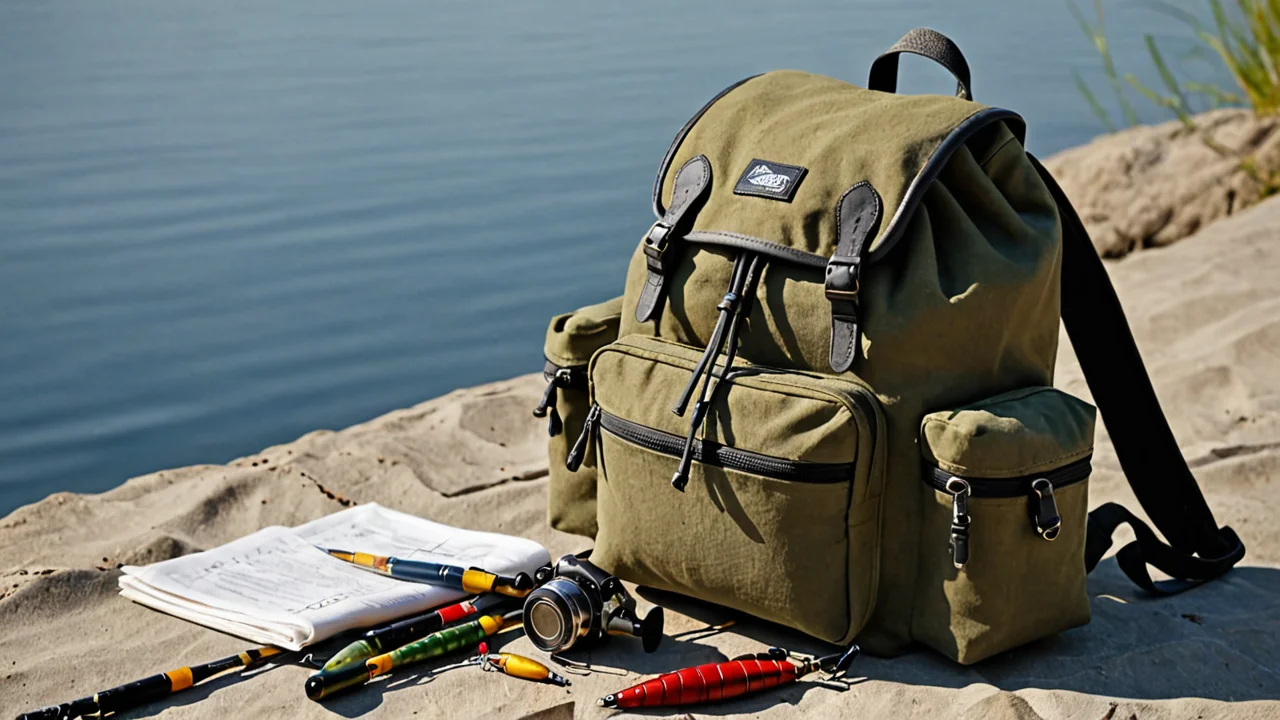
A tackle bag is a soft-sided, compartmented carrier built to hold Plano-style utility boxes, and the right one is the bag whose box size, carry style, and water resistance match the fishing you actually do — not the one with the most pockets. Everything else on this page follows from that: pick your box footprint first, then the bag that swallows it, then decide how much you're willing to carry and how wet it's allowed to get.
Start with the boxes, not the bag
Buy or inventory your utility boxes before you shop for a bag, because the box dimensions dictate everything. A tackle bag is essentially a fabric shell wrapped around a stack of 3600 or 3700 trays, and the bag's advertised capacity means nothing until you know which trays you own. Measure one box, count how many you need, and note the depth — shallow trays for hard baits and topwaters, deeper trays for spinnerbaits and bulky plastics, and a separate small box for terminal tackle that you'll want to reach without unpacking the whole stack.
Most soft bags are built around one of two footprints: a smaller box size that suits a single row of compartments, and a larger box that holds a full spread of crankbaits laid out nose to tail. If you fish one style hard — all jigs, all soft plastics — you may be better served by one large box and a shallow bag than by four small trays in a tall bag you never fully load. The stack height matters too. A bag that fits five trays vertically becomes a deep well you have to dig through; a bag with a front-loading hatch lets you pull the bottom tray without unzipping the top.
The cost of getting this wrong is a bag that either rattles because the trays slide, or bulges because they don't quite fit. Look for bags with adjustable or removable dividers rather than fixed sleeves, and check whether the side pockets are sized for a box or just for a water bottle. A bag whose main compartment fits your trays but whose pockets fit nothing useful is a bag you'll stop carrying.
Shoulder bag, backpack, or crate — pick by how far you walk
Carry style is the decision most anglers get backwards. A shoulder-strap bag is the fastest to work out of — swing it around, unzip the top, swap a bait, swing it back — and it's the right call for bank fishing, pier fishing, and boat decks where the bag sits beside you all day. A backpack carries more weight over distance and keeps both hands free for rod and net, which matters on long walks into a river or a hike-in lake. A crate or box system is for boats and ice, where the bag never leaves a flat surface.
The honest trade-off: shoulder bags punish you on distance. Load one with a full stack of trays plus a water bottle and a rain shell and the strap cuts in by the second mile. Backpacks solve the carry problem but slow you down every time you want a lure, because the bag has to come off your back. Many anglers end up owning both — a small shoulder bag for quick trips and a backpack for the long walk — and that's not redundancy, it's matching the bag to the access.
Think about the sequence of a typical trip. If you rig up at the truck and walk ten minutes to water, the bag only needs to survive the walk. If you're wading and re-tying every few casts, the bag needs to open one-handed and stay open. Front-loading backpacks with a clamshell lid are a decent compromise here: they wear like a pack but open flat like a box. Whichever you choose, check the strap hardware — plastic buckles that crack in cold weather are the most common failure point on cheap bags.
Water resistance: what a bag needs to survive, and what it doesn't
No soft tackle bag is waterproof, and the ones marketed as waterproof are usually water-resistant fabric with a coated backing and taped or welded seams. That's enough for rain, spray, and a wet boat deck. It is not enough to float, and it is not enough to survive a bag left sitting in the bottom of a drift boat with an inch of water in it. Buy for the conditions you fish, not the worst case you can imagine.
The realistic hierarchy: a plain nylon bag with a DWR finish handles dry days and light drizzle. A bag with a coated polyester or PVC-backed shell and a storm flap over the main zipper handles steady rain and splashing. A roll-top or dry-bag-style closure handles genuine soakings — wading deep, surf, canoe tripping — but sacrifices the quick-access layout that makes a tackle bag useful. Zippers are the weak point on almost every bag; a covered or water-resistant zipper costs more and is worth it if you fish in rain regularly.
Two cheap habits beat an expensive bag. First, keep terminal tackle and anything rust-prone in a hard box inside the bag rather than loose in a pocket, because fabric holds moisture against metal. Second, empty and air the bag after a wet trip — a closed bag with damp trays inside will grow mildew in the lining and the smell never fully leaves. If you fish salt, rinse the bag and the trays with fresh water after every trip; salt creep destroys zipper sliders faster than anything else.
Ice fishing changes the bag entirely
Ice fishing is where the general-purpose tackle bag falls apart, because the gear list is different and the environment is brutal. You're carrying jigging rods, small reels, tip-ups, a spud or auger, a sled, and electronics, and the bag spends the day on ice and in snow. Soft bags stiffen in cold, zippers freeze, and anything that gets wet stays wet. A rigid crate or a sled-mounted box with dividers does the job better than a fabric bag for the bulk of the load, with a small soft bag or a hard box for jigs and terminal tackle kept close at hand.
The safety side of ice fishing has nothing to do with tackle, but it belongs in any honest conversation about the gear. Published guidance puts the minimum thickness of new, clear ice for going onto the ice on foot at 3–4 inches, and 4 inches is the figure commonly recommended for ice fishing or other activities on foot. Walking while ice fishing is generally recommended at 4 inches of clear, solid ice. Snowmobiles need 5–7 inches of clear, solid ice, and cars or small pickups need 8–12 inches. Those numbers are for clear, solid ice — white ice, slush, and ice over moving water are weaker, and no tackle bag is worth testing the margin.
Practically, that means the ice bag should be light enough to carry while walking and organized enough that you're not kneeling in slush digging for a jig. A small box for tungsten jigs and spoons, a separate compartment for line and leaders, and a pocket that stays accessible with gloves on will do more for a day on the ice than a bigger bag will.
Matching the bag to the fishing you actually do
The species and technique you chase determine the bag's contents, and the contents determine the bag. A bass angler fishing plastics and jigs needs a few deep trays and room for bulk bags of soft bait. A fly angler needs almost none of this — fly fishing uses a specialized fly rod, fly reel, and weighted fly line to cast artificial flies, and the storage problem is flies and leaders, not crankbaits, so a fly box and a small chest or sling pack replaces the tray bag entirely. An ice angler needs a small hard box and a sled. A surf angler needs a bag that holds big plugs and sinkers and tolerates sand.
Don't overlook the rod itself as a constraint on how much you carry. Rod power describes how much force is required to bend the rod, labeled from ultralight to heavy, and rod action describes where the blank bends under load — a fast action rod bends mostly in the top third near the tip, while a slow or moderate action rod bends farther down toward the butt. An ultralight setup means small lures and light line, which means a small bag is plenty; a heavy flipping stick means big jigs and bulky plastics and a bag that swallows deep trays. The bag should scale with the tackle the rod can actually throw.
The failure mode to watch for is over-packing. Most anglers carry two to three times the lures they use in a session, and the weight compounds — every extra tray is another pound on the strap. A useful discipline: build one tray per technique you'll actually fish that day, leave the rest in the truck, and keep a small "maybe" box for experiments. You'll fish better out of a light bag than a heavy one, and you'll re-rig faster because you can see what you have.
Durability, price, and what to spend on
Spend on the shell fabric, the zippers, and the strap hardware, in that order; skimp on pockets and branding. A bag with a heavy coated shell, water-resistant main zipper, and metal or good acetal hardware will outlast a cheaper bag by years, even if it has fewer features. The seams matter as much as the fabric — look for bound or reinforced seams at the stress points where the shoulder strap meets the body, because that's where bags tear first.
The features genuinely worth paying for: a rigid or semi-rigid bottom so the bag stands up on a boat deck, a removable or adjustable divider set, a main compartment that opens flat rather than gaping, and at least one pocket sized for a hard box of terminal tackle. The features that sell bags but don't earn their keep: a dozen tiny exterior pockets you'll never remember the contents of, built-in rod holders that unbalance the load, and "tackle management systems" that lock you into one brand's trays.
Price tracks fabric and hardware more than capacity, so a mid-size bag with good materials usually beats a huge bag with cheap ones. If you fish a handful of trips a year from a boat, a basic water-resistant shoulder bag is the sensible buy and there's no reason to spend more. If you fish weekly, walk to water, and fish in rain, the upgrade pays for itself the first time a cheap zipper fails in the field. The wrong choice in either direction is a bag you leave in the truck because it's too heavy, too awkward, or too nice to get muddy.
What the bag has to survive between trips, not during them
Store tackle boxes out of the bag, or at least leave the main compartment unzipped in the garage, because the damage that retires a tackle bag usually happens between trips rather than on the water. Soft plastics are the worst offender: a bulk bag of worms left pressed against a tray leaches plasticizer into the fabric and into the finish on crankbaits, and the trays come out sticky and the bag smells like a tire fire. Hooks left on a wet soft box rust overnight, and rust stains the lining where it sits.
The habit that pays off is a five-minute reset after every trip: pull every tray, open the drain grommets if the bag has them, wipe the interior with a dry rag, and stand the bag upside down overnight. Bags without a drain hole hold water in the bottom seam, which is exactly where the stitching gives out first. If you fish in salt, the rinse happens before the reset, not after — fresh water on the shell, the zippers, and the sliders, then dry.
Rod power and action belong in the storage conversation too, because they set how much tackle is worth carrying. An ultralight setup throws small lures on light line, so a single shallow tray covers a full session; a heavy flipping stick throws big jigs and bulky plastics and needs the deep trays. Building the bag around what the rod can actually throw keeps you from hauling trays you'll never open.
When the bag is the wrong tool
A tackle bag is the wrong purchase when the load is heavy, wet, or shared with safety gear, and that's most ice trips. Ice fishing gear — jigging rods, small reels, tip-ups, a spud or auger, a sled, electronics — outgrows a fabric bag fast, and a rigid crate or sled-mounted box with dividers carries the bulk better while a small hard box keeps jigs and terminal tackle at hand. Cold stiffens fabric and freezes zipper sliders, so the soft bag that works fine in July becomes a wrestling match in February with gloves on.
The ice side also sets a hard limit no bag can solve. Guidance puts 3–4 inches of new, clear ice as the minimum for going onto the ice on foot, 4 inches as the figure commonly recommended for ice fishing or other activities on foot, and 4 inches of clear, solid ice for walking while ice fishing. Snowmobiles need 5–7 inches of clear, solid ice; cars or small pickups need 8–12 inches. Those figures are for clear, solid ice — white ice, slush, and ice over moving water are weaker, and a well-organized bag is no substitute for a spud bar and a measured hole.
The other case where the bag loses is fly fishing, where the storage problem is flies and leaders rather than crankbait trays, and a fly box with a chest or sling pack replaces the tray bag outright. Buy the bag for the fishing you do most, and treat the rest as a separate kit rather than trying to make one bag cover ice, salt, and a drift boat.